Solution For: Mulai 1 Agustus, DLH DKI Terapkan Controlled Landfill di TPST Bantargebang
Solution For Waste Management: DLH DKI Applies Controlled Landfill at TPST Bantargebang from August 1, 2026 Solution For - Starting August 1, 2026, the
Solution For Waste Management: DLH DKI Applies Controlled Landfill at TPST Bantargebang from August 1, 2026
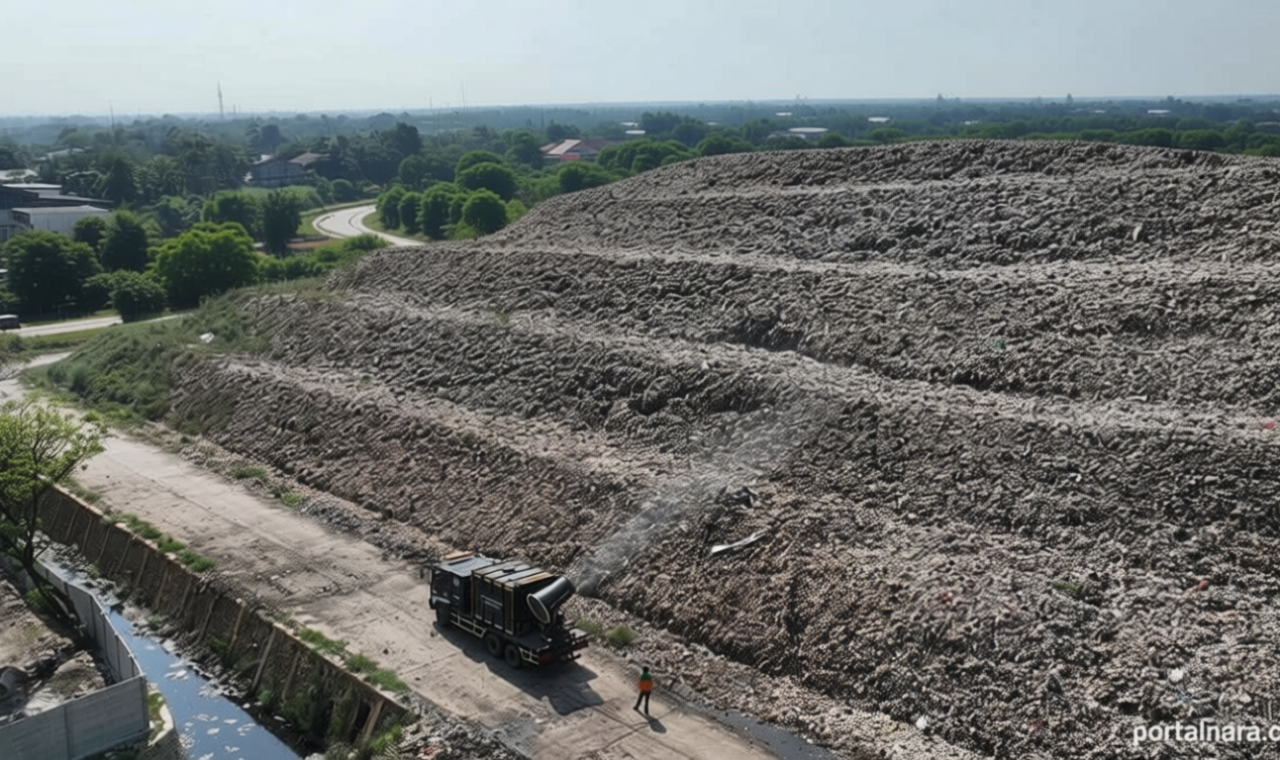
Solution For – Starting August 1, 2026, the Jakarta Environment Agency (DLH DKI) will implement a controlled landfill system at TPST Bantargebang as part of its broader solution for sustainable waste management. This initiative aims to reduce open dumping practices gradually, enhance environmental protection, and improve the efficiency of waste processing. By transitioning to a more systematic approach, the city hopes to address long-standing challenges related to air pollution, odor, and land degradation caused by unregulated waste disposal.
Understanding the Controlled Landfill System
Controlled landfill, a modern waste management technique, involves the careful arrangement, compaction, and layering of waste to minimize its environmental impact. Unlike traditional open dumping, which often leads to soil contamination and greenhouse gas emissions, this method ensures that waste is processed in a structured manner. The system also incorporates measures such as daily cover with soil or geomembran, which prevents leachate from seeping into the ground and reduces the risk of fires. This solution for managing waste is part of a global shift toward more environmentally friendly practices, aligning Jakarta with international standards.
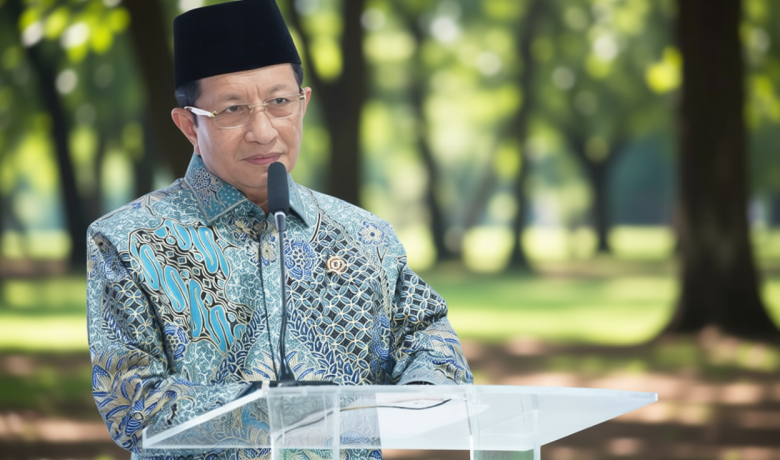
According to Dudi Gardesi, Head of DLH DKI Jakarta, the transition from open dumping to controlled landfill will not compromise the city’s waste collection services. “We are implementing this change systematically to ensure that the community continues to receive adequate waste management support while reducing the negative effects on the environment,” he emphasized in a statement shared on July 19, 2026. The move is expected to create a more efficient and cleaner system, which will also support the city’s goal of achieving zero open dumping by 2028.
Implementation Timeline and Targets
The controlled landfill system will be rolled out in stages, with specific targets for its adoption across the TPST Bantargebang site. In the second quarter of 2026, open dumping still accounted for 72.56% of waste management activities, while the new system only contributed 7.59%. However, the city has already taken steps to improve the infrastructure, including the installation of geomembran to cover landfill areas, strengthening sanitation systems, and stabilizing slopes to prevent erosion. These measures are part of the solution for creating a resilient waste management framework.
By the third and fourth quarters of 2026, open dumping is projected to decline to 50.34%, with controlled landfill expected to handle 8.39% of the waste. Simultaneously, the share of waste processed through other facilities, such as composting and recycling, will increase to 20.28%. Dudi highlighted that the success of this transition depends on the capacity of the new facilities and the cooperation of local communities. “We are confident that this solution for waste management will significantly reduce environmental harm and set a new standard for urban sustainability,” he added.
Looking ahead, the long-term goal is to achieve 45.65% waste processing through controlled landfill and other facilities by 2027. By 2028, open dumping is anticipated to be completely phased out, marking a pivotal milestone in Jakarta’s environmental policies. This solution for waste management not only addresses immediate issues but also lays the groundwork for a more sustainable future, ensuring that waste is treated as a resource rather than a burden. The DLH DKI’s efforts underscore the city’s commitment to protecting its environment and promoting public health.
The implementation of controlled landfill at TPST Bantargebang will have far-reaching benefits for the surrounding communities and ecosystems. By reducing the volume of unprocessed waste, the system will lower the risk of water pollution, improve air quality, and create safer working conditions for waste management workers. Additionally, the structured approach will facilitate better monitoring and data collection, allowing for more informed decisions in waste management strategies. As Jakarta continues to refine this solution, it sets an example for other cities facing similar environmental challenges. The transition from open dumping to controlled landfill represents a critical step toward achieving cleaner, greener urban spaces and a more sustainable lifestyle for all residents.